
Post-inflammatory hyperpigmentation occurs as a result of the skin's inflammatory response. The skin in the affected areas produces an increased amount of melanin, causing darker areas of skin to remain after the inflammation has subsided.
They are most often observed after acne, dermatological conditions, skin irritations, injuries, or certain cosmetic procedures. Pigmentation can appear as brown, reddish, or grayish spots of various sizes and intensities.
Changes are often more noticeable in individuals with more sensitive or darker skin tones, and when exposed to the sun without adequate protection. Although post-inflammatory hyperpigmentation is not dangerous, it can significantly affect skin appearance and self-confidence.
Since there are different types of pigmentary changes, an individual specialist assessment of the skin is important for choosing the appropriate approach.
A dermatologist's examination allows for a more precise assessment of the depth and type of pigmentation, and recommendations for appropriate care and procedures. Sun protection is also an important part of the treatment, as UV radiation can further accentuate pigmentation and prolong its persistence.
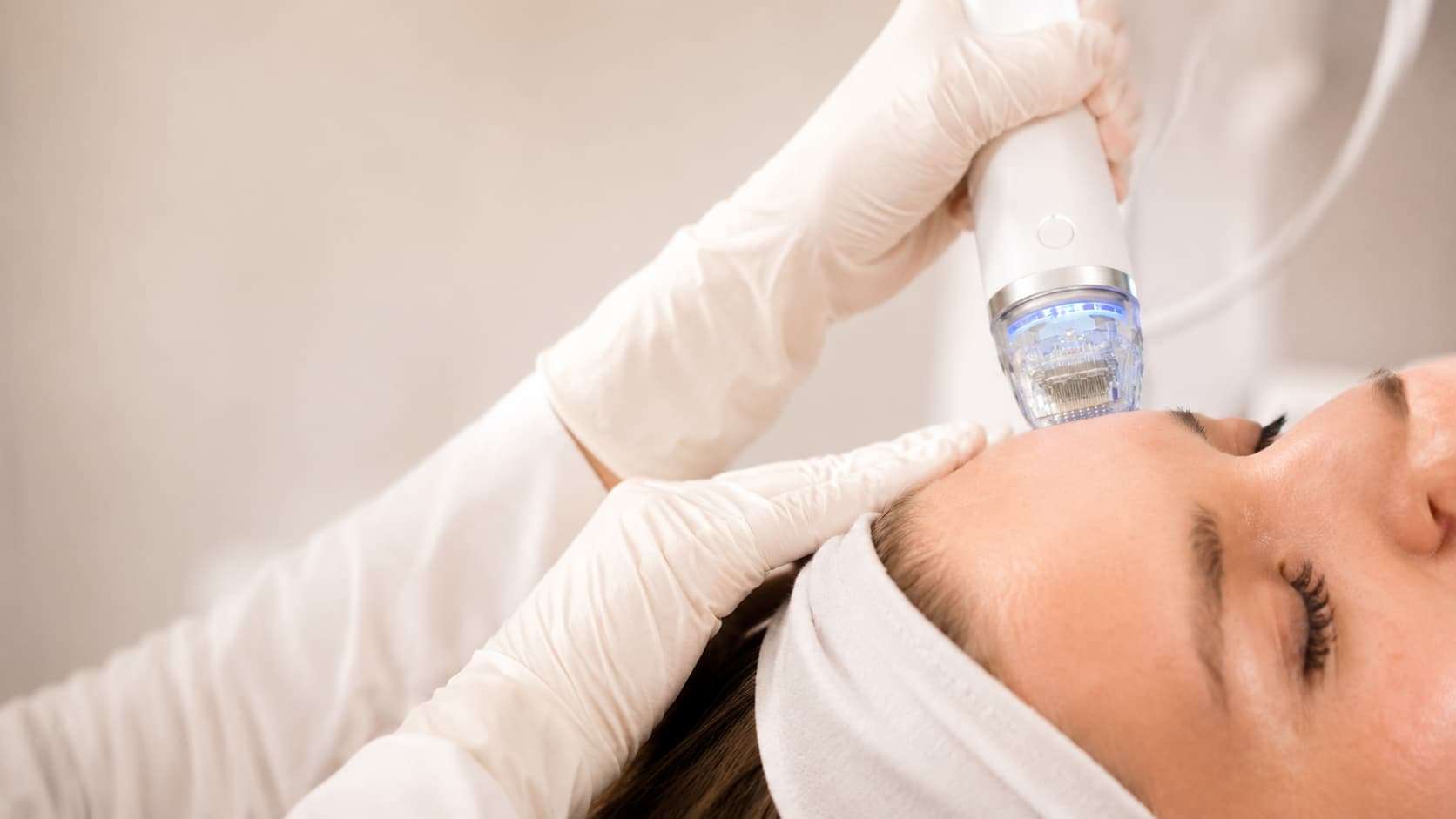
Modern treatment approaches are focused on gradually reducing pigment changes, improving skin tone evenness, and promoting skin regeneration. Laser spot removal can help in targeted reduction of visible pigmentation and improvement of skin appearance.
With proper care and dermatological treatment, the skin can gradually become more even, radiant, and unified. Pigmentation spots can diminish, and the complexion can appear clearer and more balanced.
The goal of modern dermatological treatment is not only to reduce visible pigmentation but also to improve skin quality long-term and prevent the formation of new skin changes.