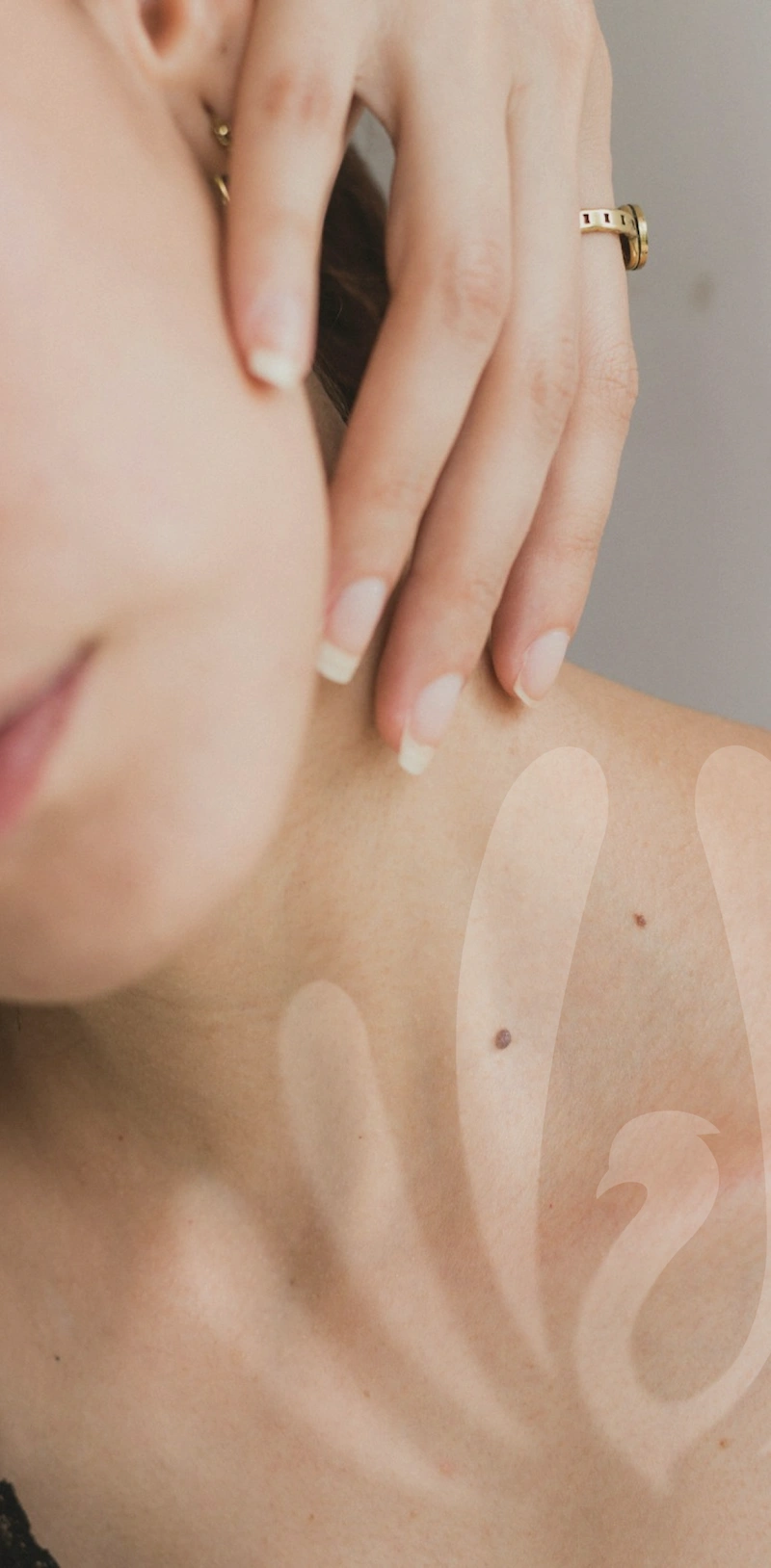
Scars form as part of the natural skin healing process after injuries, surgeries, inflammations, or acne. During tissue repair, the body forms new connective tissue to replace damaged skin, which can result in varying degrees of surface changes.
Some scars remain almost unnoticeable, while others can become thickened, indented, reddened, or irregularly pigmented. Their appearance is influenced by the depth of the injury, the healing process, genetics, and the scar's location on the body.
Scars on the face or other visible parts of the body are often particularly bothersome, as they can impact self-confidence and the overall satisfaction with one's skin appearance.
Because each scar is different, an individual specialist assessment of the skin and scar type is important in choosing the appropriate approach.
Modern aesthetic medicine offers various methods for improving the appearance of scars – from regenerative and laser procedures to surgical correction. The goal of treatments is to reduce scar visibility, improve skin texture, and achieve the most natural and even appearance possible.
Secret RF radiofrequency therapy can help stimulate collagen, improve skin texture, and reduce surface irregularities. For more pronounced or complex scars, surgical scar revision may also be recommended.
Scar improvement is usually gradual and often requires a combination of different approaches and multiple treatments. Following procedures, there may be temporary redness, sensitivity, or mild swelling, which will gradually subside.
The goal of modern scar treatment is not complete removal, but rather a scar that is as inconspicuous and natural-looking as possible, blending harmoniously with the surrounding skin and improving skin quality and texture.