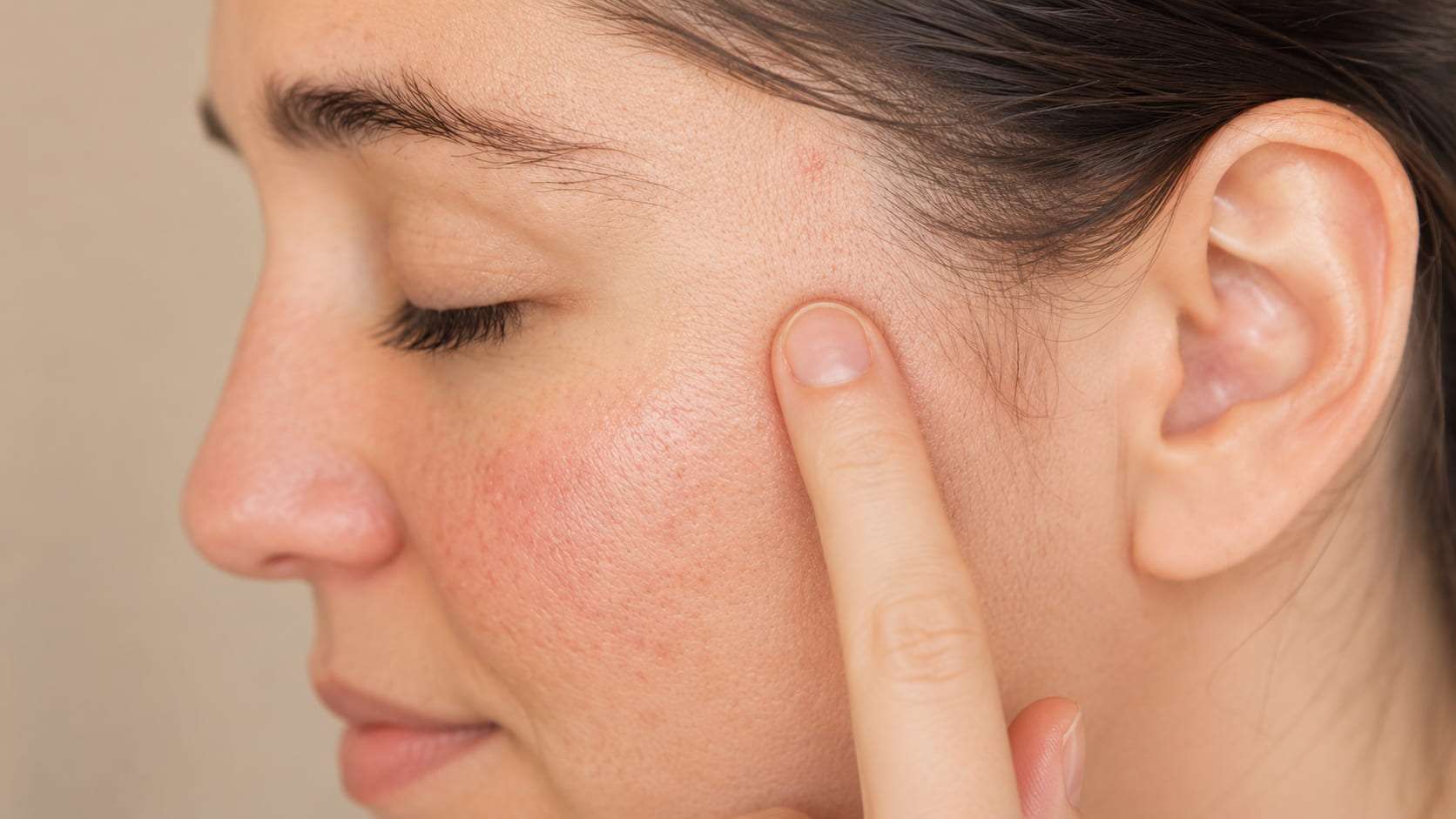
Persistent facial redness can be a sign of sensitive skin or a chronic skin condition like rosacea. Problems often manifest as skin redness, visible dilated capillaries, a feeling of warmth, tingling, or a burning sensation on the face.
Rosacea most commonly appears on the cheeks, nose, forehead, and chin, though some individuals may also develop inflammatory, acne-like breakouts. The skin is often more sensitive and reactive to external factors.
Sunlight, temperature changes, stress, alcohol, spicy food, hormonal influences, and certain cosmetic products can affect the development and worsening of problems. Without proper treatment, symptoms can intensify over time.
Since there can be multiple causes of redness, an individual specialist assessment of the skin and its condition is important for proper treatment.
A dermatologist's examination allows for a more accurate assessment of symptoms, skin sensitivity levels, and the possible presence of rosacea or other skin lesions. Based on the examination, appropriate skincare and treatment can be recommended to manage symptoms and reduce redness.
Modern treatment approaches focus on reducing inflammation, soothing the skin, strengthening the skin barrier, and improving the appearance of dilated capillaries. Timely and professional treatment can significantly contribute to a more stable skin condition and prevent the progression of problems.
With proper treatment, the skin can gradually become less sensitive, calmer, and more even-toned. Feelings of irritation, heat, and significant redness can be reduced.
The goal of modern dermatological treatment is not only to reduce visible symptoms but also to improve skin health long-term and better manage sensitive and reactive skin.