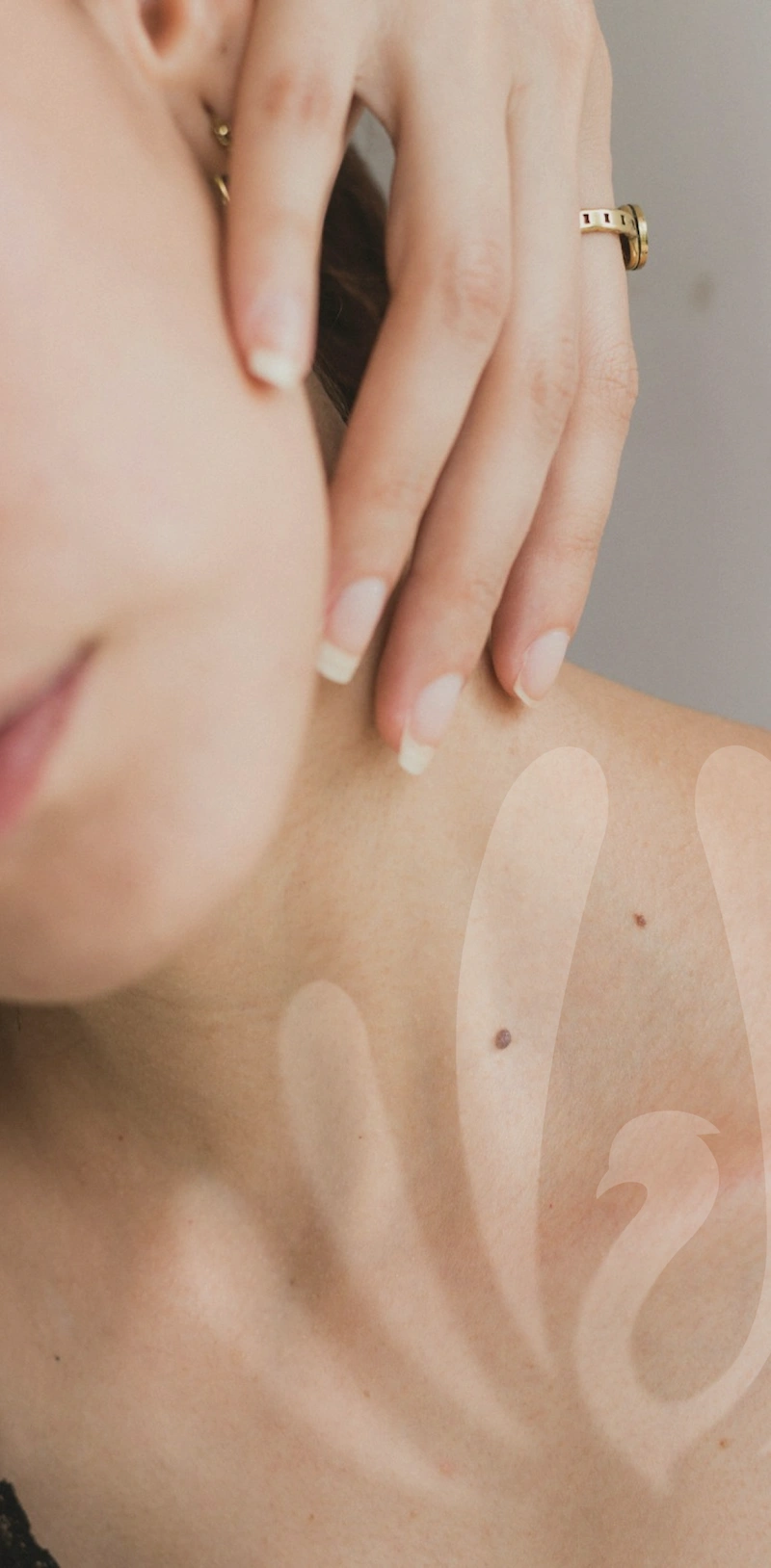

Skin aging is a natural process during which the skin gradually loses collagen, elastin, and its ability to retain moisture. Due to these changes, it becomes less firm, less elastic, and more prone to the formation of wrinkles and loss of volume.
The first signs of aging often appear around the eyes, lips, and forehead, where the skin is subjected to the most facial expression. Over time, the face can appear more tired, less firm, and less radiant.
The aging process is influenced by genetics, UV radiation, stress, lifestyle, hormonal changes, and daily environmental factors. The intensity of these changes varies from person to person.
Because skin aging is a complex process, an individual specialist assessment of the skin, facial proportions, and degree of changes is important for choosing the appropriate approach.
Modern aesthetic procedures can soften wrinkles, improve skin quality, and stimulate collagen production with natural results. Botox is often used to reduce expression lines and relax excessive muscle activity, while laser rejuvenation and Secret RF radiofrequency therapy help improve skin texture, tone, and firmness.
Moisturizing anti-aging treatments can further improve skin hydration, radiance, and a fresh appearance, while for more pronounced signs of aging, a facelift offers comprehensive rejuvenation and improved facial firmness.
After aesthetic procedures, skin appearance gradually improves. With some treatments, results are visible quickly, while with others, skin quality improves over the following weeks and months due to the gradual formation of new collagen.
The goal of modern rejuvenation is not to completely change facial features, but to reduce the signs of fatigue and aging, and to maintain a fresh, rested, and natural facial appearance.