
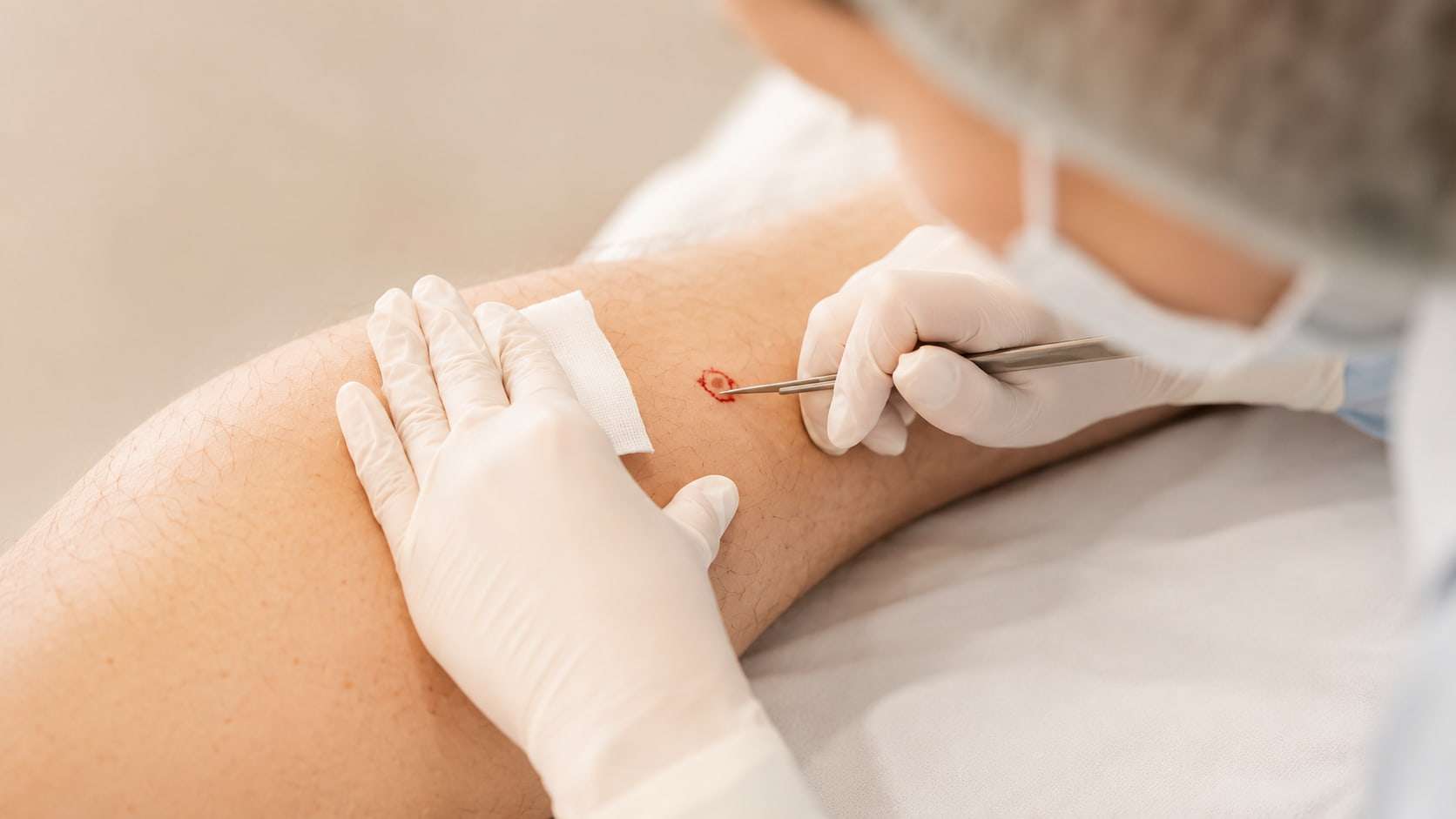
Skin changes are very common and can be entirely benign or an early form of skin cancer. Among the most common benign changes are fibromas, atheromas, and seborrheic keratoses, while malignant ones include melanoma, basal cell carcinoma, and squamous cell carcinoma.
Changes to the skin can appear as new moles, lumps, sores that don't heal, changes in mole color or shape, and changes that grow or bleed. Many people postpone examination because the change doesn't cause pain or other problems for a long time.
Despite this, early detection and timely treatment are key to successful treatment and greater safety. Monitoring changes in the size, shape, color, or surface of the skin is particularly important.
Since not all skin changes can be assessed with the naked eye alone, a specialized dermatological examination is important.
A dermatologist's examination allows for a more accurate assessment of skin changes and the recommendation of further procedures. Dermatoscopy allows for a more detailed examination of pigmented and other skin lesions and helps in the early detection of suspicious skin changes.
If necessary, surgical removal of skin lesions can be recommended, which allows for the removal of the lesion and, if needed, additional histological analysis of the tissue.
Timely evaluation of skin changes can significantly contribute to early detection of potentially dangerous changes and more successful treatment. Regular skin check-ups are an important part of skin health care, especially for individuals with a large number of moles or increased sun exposure.
The goal of modern dermatological treatment is not only the removal of a lesion, but primarily early detection, safety, and long-term skin health care.