
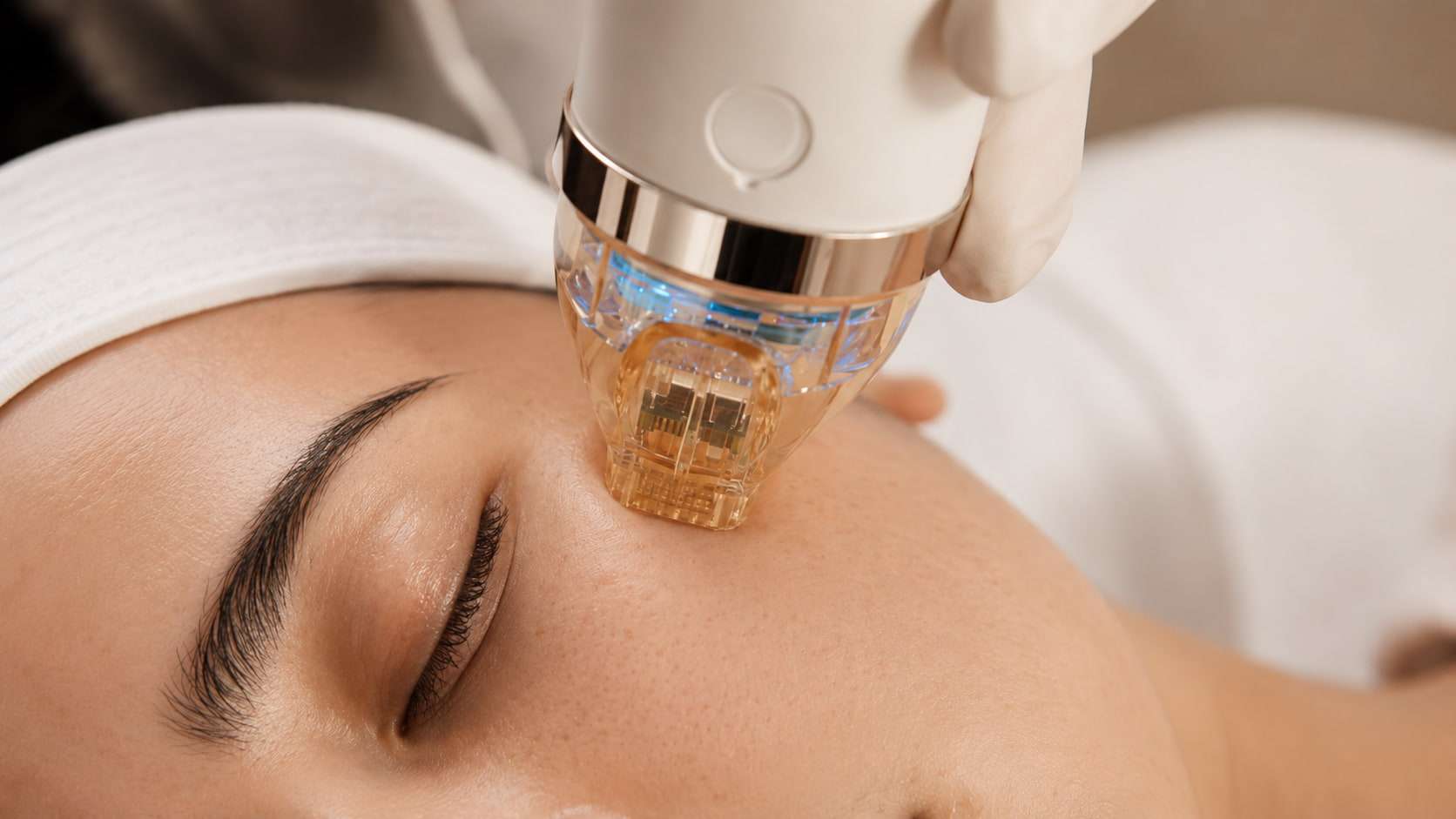
Melasma and other pigmentary changes are caused by increased melanin production, the pigment that gives skin its color. They appear as darker areas of the skin of various sizes and shapes, which can affect the evenness of complexion.
Pigmentation is often triggered by UV radiation, hormonal influences, genetics, skin aging, or inflammatory processes in the skin. Melasma is particularly common in women and often appears during pregnancy, with hormonal changes, or with the use of hormone therapy.
Pigment spots most commonly appear on the cheeks, forehead, above the upper lip, and other areas of the face that are more exposed to the sun. Pigmentation can become more pronounced in the summer or with more frequent exposure to UV radiation.
Because there are different types and depths of pigmentation, accurately identifying the cause of the changes and the condition of the skin is important for successful treatment.
Because pigmentary changes vary greatly from one another, an individual specialist assessment of the skin is important for choosing the appropriate approach.
A consultation with a dermatologist allows for a more accurate assessment of the type of pigmentation, the depth of the pigment in the skin, and any triggering factors. Based on the examination, an appropriate combination of sun protection, dermatological care, and modern aesthetic procedures can be recommended.
Modern treatment approaches aim to gradually reduce pigmentation changes, improve even skin tone, and prevent the reoccurrence of pigmentation. Laser spot removal can help target and reduce visible pigment changes and improve the skin's appearance.
With proper treatment, skin can gradually become more even, radiant, and unified. Pigmentation spots can be reduced, and the complexion appears fresher and more balanced.
The goal of modern dermatological treatment is not only to reduce visible pigmentation but also to improve skin quality long-term and protect the skin from further damage due to UV radiation.