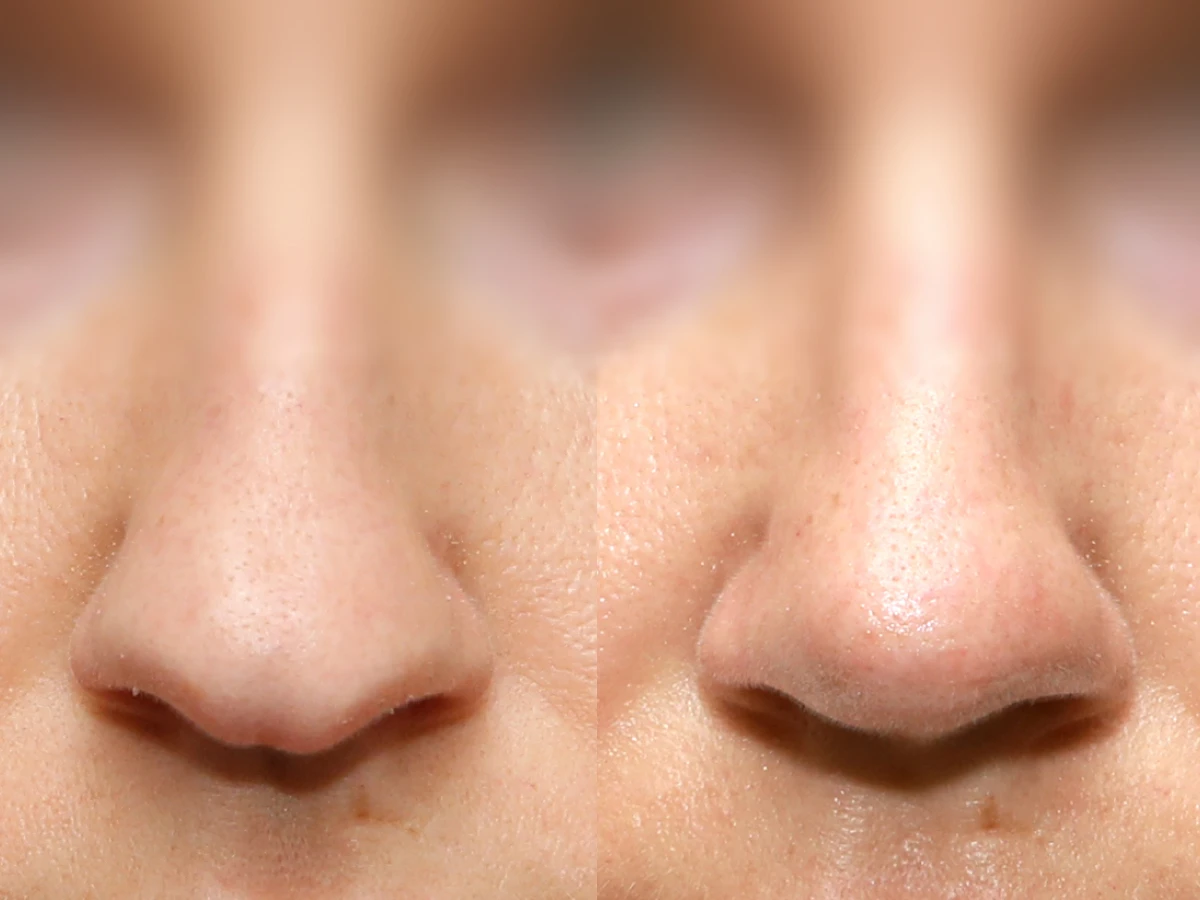
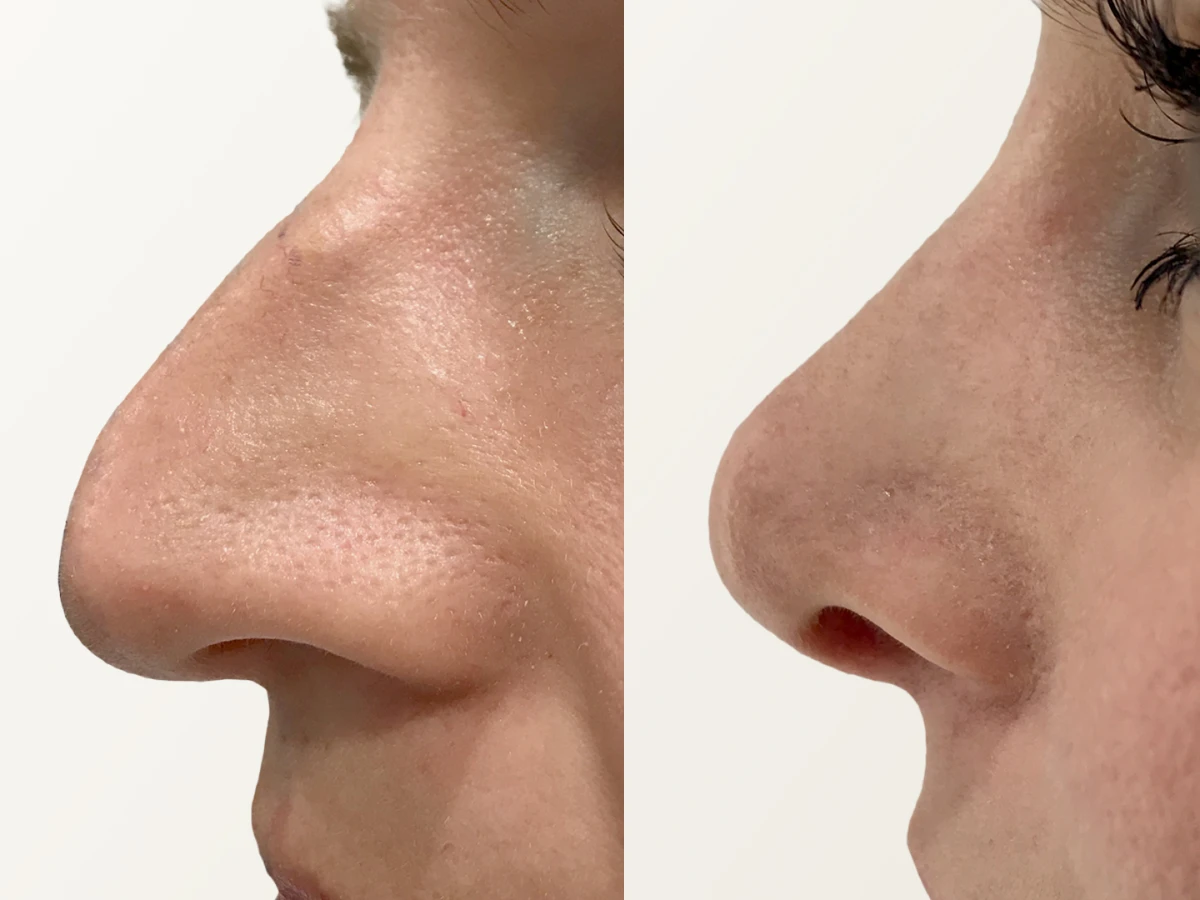


Rhinoplasty is suitable for individuals who wish to improve the shape of their nose or correct functional breathing problems. It is often a combination of both.
Since the nose is a very prominent facial feature, its shape can also have a decisive impact on self-esteem. Many patients therefore opt for the procedure due to a desire for greater confidence and better facial harmony.
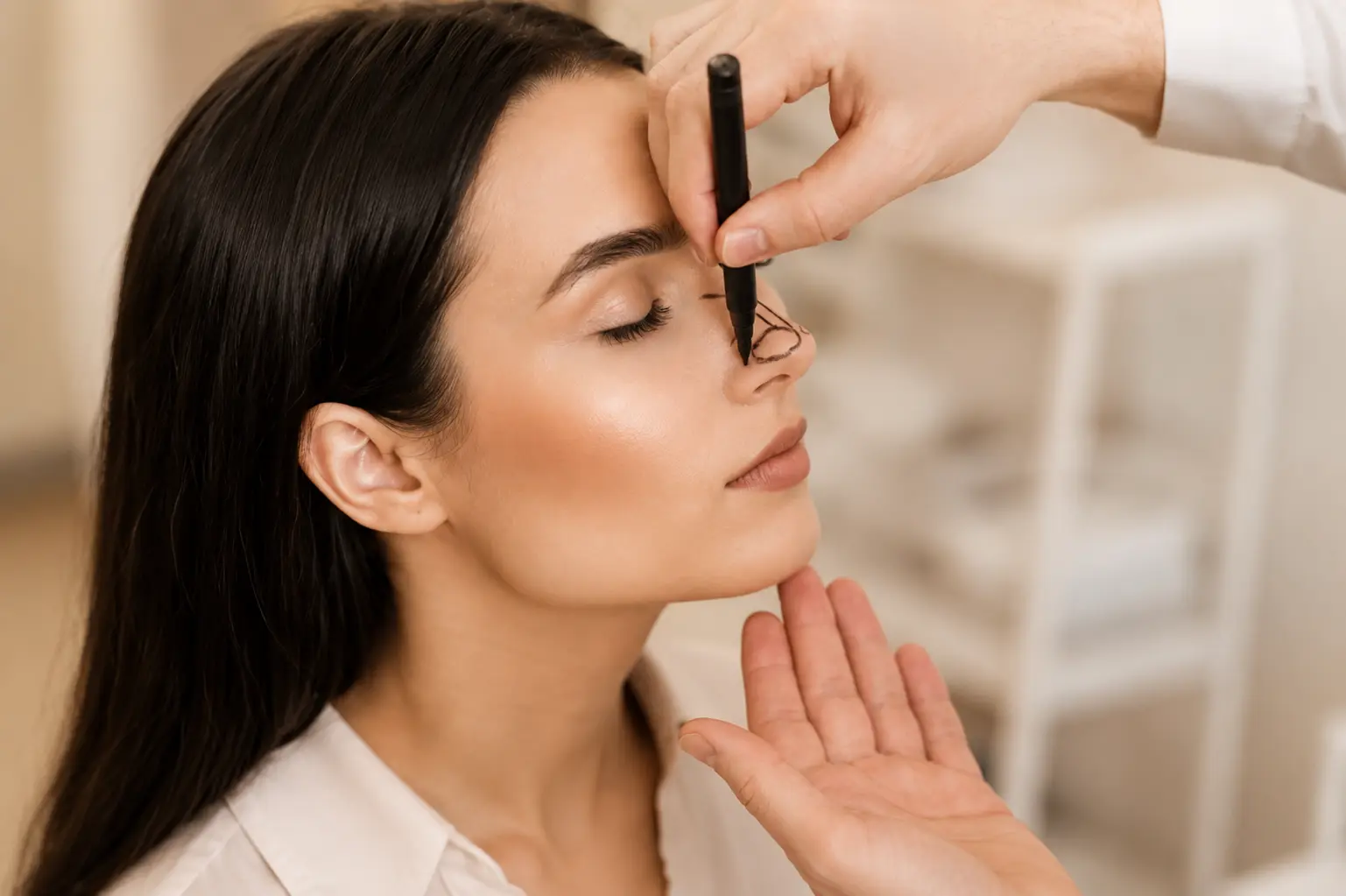
Rhinoplasty is one of the most complex aesthetic procedures, as it requires a precise balance between aesthetics and function. At Juventina, we approach the procedure with extreme precision and a holistic perspective – we don't just shape the nose, but create harmony for the entire face. During the procedure, we aim to adhere to both functionality and the highest aesthetic standards.
The procedure involves reshaping the bony and cartilaginous parts of the nose. Depending on the complexity, we use either an open or closed technique. With the open technique, we have a better view of the structures, which allows for excellent precision even with more challenging corrections.
Our approach is based on:
Our goal is not to create a “perfect nose,” but to design a nose that perfectly complements your face. This approach requires exceptional professional expertise as well as a keen sense of aesthetics. Therefore, choosing nose correction at Juventina is safe and guarantees an excellent result.
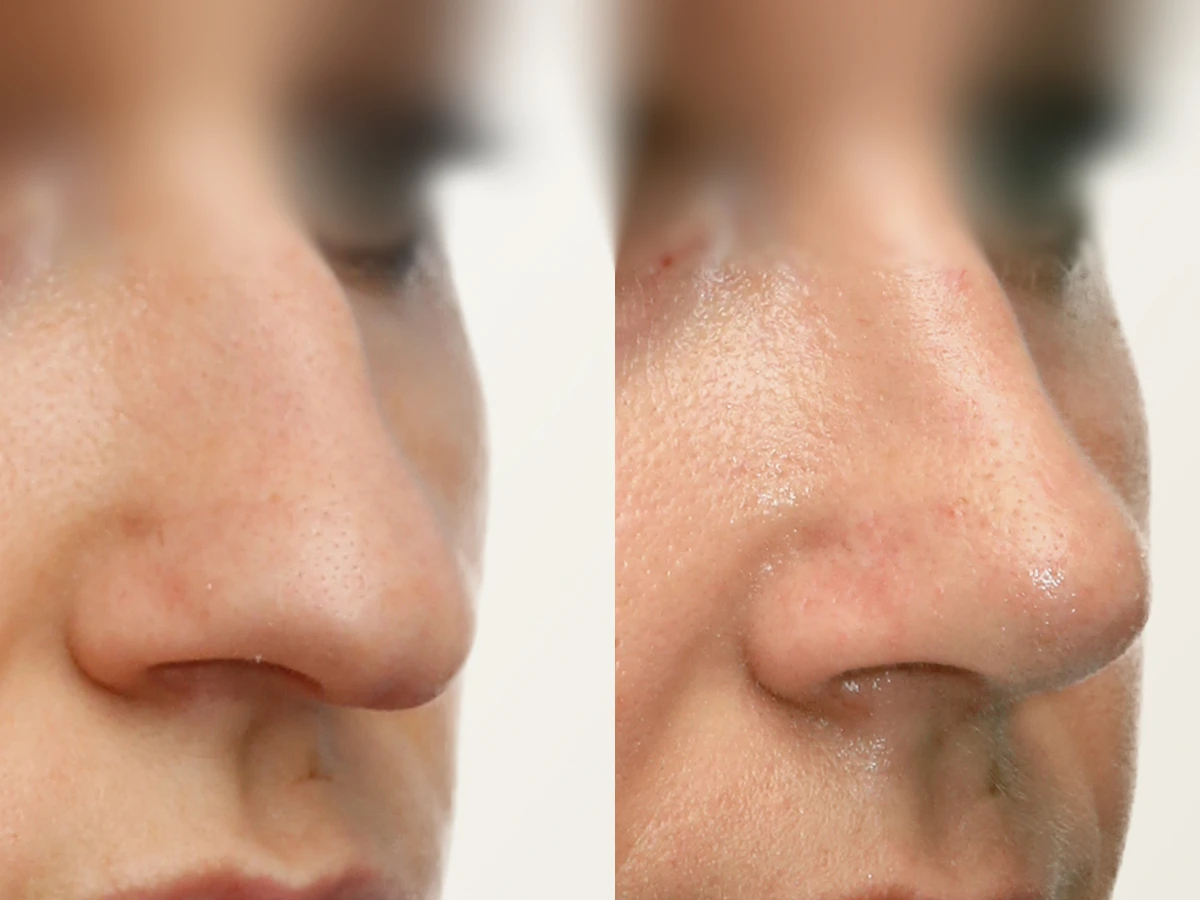
The nose plays a central role in facial harmony, so even minor changes can significantly impact the overall expression and proportions of the face. Modern rhinoplasty is based on individualized surgical planning, taking into account facial anatomy, skin quality, cartilage structure, and nasal breathing functionality. The goal of the procedure is not to create a completely different or artificial-looking nose, but rather a nose that appears natural and harmonious with the other facial features. During the procedure, we can reshape the nasal hump, nasal tip, width of the nose, or correct irregularities related to injuries and a deviated septum. Modern rhinoplasty techniques allow for precise reshaping of the bony and cartilaginous parts of the nose while maintaining the stability and functionality of the airway. The procedure can significantly improve not only the appearance of the face but also the quality of breathing and the patient's overall self-confidence.
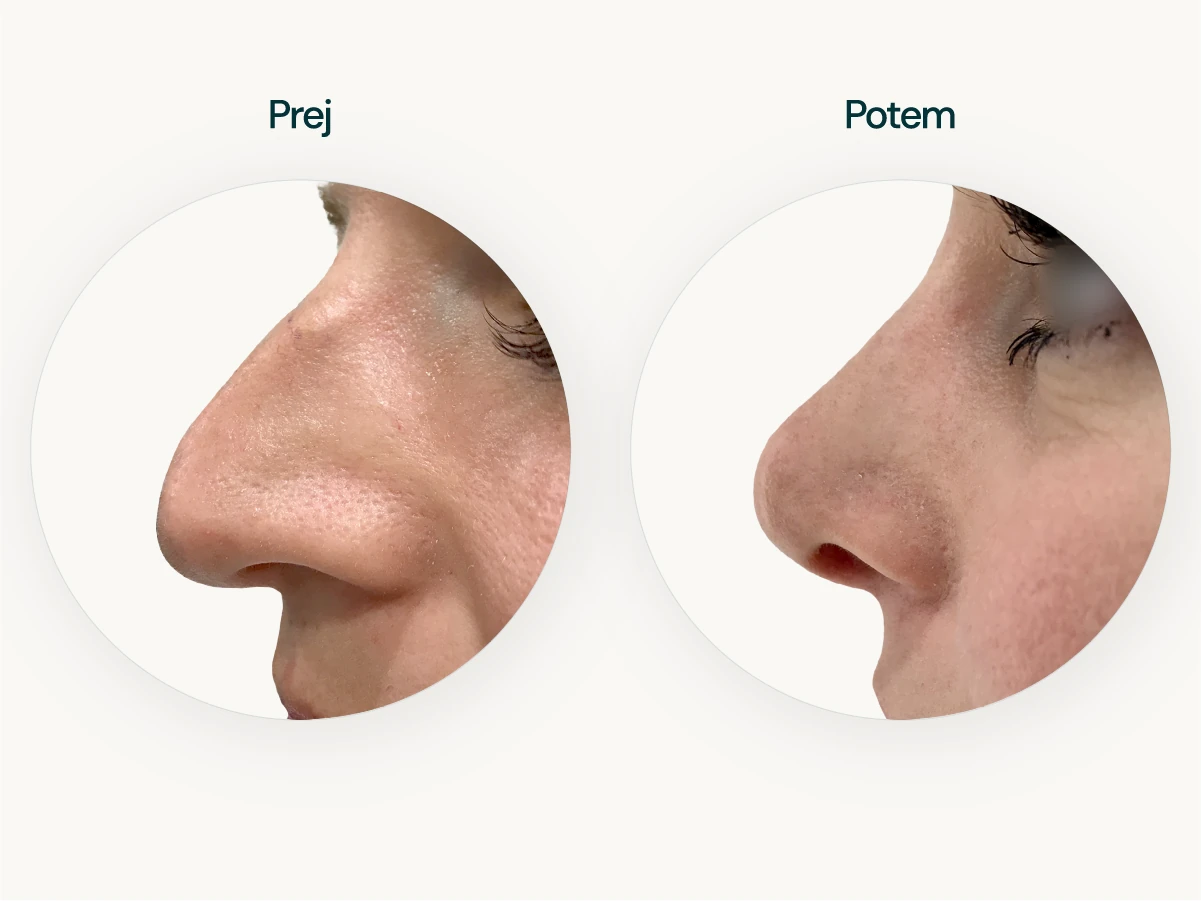
The operation is performed under local anesthesia or sedation. Using the chosen technique, the surgeon accesses the nasal structures, which are then precisely reshaped – irregularities are removed, the nasal axis is straightened, and cartilage grafts are added if necessary.
At the end, a nasal splint is placed, which stabilizes the new shape of the nose in the initial healing phase.
With our program Juventina Care 360° We ensure optimal recovery with precise instructions, monitoring, and support even after the procedure.
Juventina Care 360° includes:
Recovery after rhinoplasty is a gradual process, during which the nose slowly takes its final shape over months. Post-procedure, swelling, bruising around the eyes, a feeling of nasal congestion, and tenderness in the operated area are typically present, which is a normal part of healing. The nasal splint and stitches are usually removed after 7-10 days, and most patients return to light daily activities after approximately two weeks. To reduce swelling, we recommend cooling the operated area, resting in a semi-upright position, and avoiding physical exertion and pressure on the nose in the first few weeks after the procedure. We also pay special attention to scar care, monitoring healing, and providing individual support to the patient throughout the entire recovery process. The goal of our approach is safe recovery, the most predictable outcome possible, and a natural-looking nose that harmoniously complements the entire face.
Important:
After surgery, we recommend: